
From Runway to Ledger: The Journey of a Luxury Item on the Blockchain
- Gyöngy Wright

- Oct 24, 2023
- 4 min read
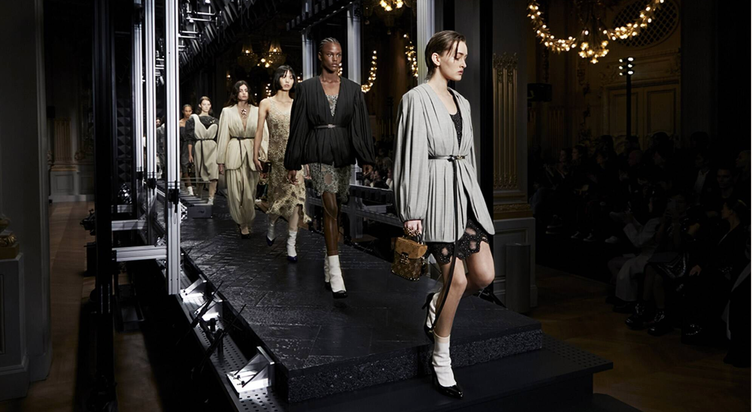
In the world of fashion, luxury items have always held a special allure. Whether it's a designer handbag, a pair of high-end shoes, or a limited edition watch, these items are not just accessories but symbols of status, style, and craftsmanship. However, the luxury industry is not immune to challenges, including counterfeit products and transparency concerns. This is where blockchain technology comes into play, promising to revolutionize the way we track and verify the authenticity of luxury items, from the runway to your closet.
The Luxury Industry at a Glance
Before we dive into the role of blockchain in the luxury sector, it's important to understand the unique dynamics of this industry. Luxury fashion houses like Chanel, Gucci, and Louis Vuitton have long been associated with exclusivity, craftsmanship, and heritage. These brands produce limited quantities of high-quality items that are often adorned with iconic logos and designs, making them highly coveted by fashion enthusiasts worldwide.
However, the allure of luxury comes with a dark side - counterfeit products. The luxury industry faces a constant battle against fake items flooding the market. These counterfeits not only erode brand trust but also lead to substantial financial losses. Consumers, on the other hand, are often left with subpar products and are unable to verify the authenticity of their purchases.
Blockchain: A Game-Changer for Luxury Authentication
Blockchain technology has gained significant attention due to its potential to address issues related to transparency, security, and authenticity. Essentially, a blockchain is a distributed ledger that records transactions in a secure, tamper-proof, and transparent manner. This technology can be harnessed to track and verify the journey of luxury items from their creation on the runway to the moment they land in the hands of consumers.
Provenance Tracking: One of the primary benefits of blockchain in the luxury sector is the ability to track the provenance of items. Each luxury product can be assigned a unique digital identifier, stored on the blockchain. This identifier can capture information about the item's production, including the materials used, the artisans involved, and the location of manufacture. This data is immutable and can be accessed by consumers to verify the authenticity of their purchase.
Anti-Counterfeiting: Blockchain technology can help combat the counterfeit market by allowing consumers to verify the authenticity of luxury items. Shoppers can simply scan a product's QR code or use a mobile app to access the blockchain and confirm that the item is indeed a genuine product from the brand.
Supply Chain Transparency: Many luxury brands are embracing sustainability and ethical sourcing. Blockchain can be used to provide consumers with insight into the supply chain of their favorite brands.
Smart contracts: Blockchain technology can facilitate the use of smart contracts in the luxury industry. These contracts can automate various processes, including royalty payments to designers, artists, and creators. By using blockchain-based smart contracts, luxury brands can ensure that all stakeholders receive their fair share of the revenue generated by an item.
Examples of Blockchain in Luxury
Several luxury brands have already started experimenting with blockchain technology to enhance the customer experience and combat counterfeit products. Here are a few notable examples:
LVMH and AURA: LVMH, the conglomerate behind brands like Louis Vuitton and Dior, has partnered with AURA, a blockchain platform specifically designed for the luxury industry. The partnership aims to provide consumers with a way to verify the authenticity and origin of their luxury items.
Breitling and Arianee: Breitling is using Arianee's blockchain platform to provide digital passports for their watches. By doing this Breitling has transformed their customer relationships by offering a comprehensive customer service platform built around its watches, and product authenticity.
Alexander McQueen and Everledger: In 2020, Alexander McQueen introduced its blockchain-driven MCQ platform, enabling secure peer-to-peer trading and community building among collaborators and collectors. Through the use of NFC tags registered on the blockchain, Everledger ensured the creation of permanent, secure digital records, tracking an asset's origin, characteristics, and ownership throughout its existence.
Challenges and Considerations
While blockchain technology offers significant promise in the luxury sector, it's not without its challenges:
Integration: Luxury brands must invest in the integration of blockchain technology into their existing systems. This can be a complex and time-consuming process, especially for well-established brands with legacy systems.
Consumer Education: Consumers need to be educated about how to verify product authenticity using blockchain technology. Brands must make it easy for customers to access this information and provide user-friendly interfaces.
Privacy and Security: Protecting the privacy and security of consumer data stored on the blockchain is paramount. Brands must invest in robust cybersecurity measures to safeguard this information.
Industry-Wide Adoption: The effectiveness of blockchain in the luxury industry depends on the widespread adoption of the technology. For it to work seamlessly, many brands need to come on board and use a standardized system.
The Future of Luxury on the Blockchain
Blockchain technology is poised to revolutionize the luxury industry by offering consumers a reliable and transparent way to authenticate products. It will not only combat the counterfeit market but also provide valuable information about the origin and sustainability of luxury items.
As blockchain technology continues to mature and as more luxury brands embrace it, we can expect a future where every luxury item, from high-end handbags to bespoke suits, will have its unique journey recorded on the blockchain. The fashion industry, often criticized for its lack of transparency, is on the cusp of a transformation that will bring a new level of trust and confidence to luxury shoppers worldwide.
In conclusion, from the runway to your closet, the journey of a luxury item on the blockchain promises to be a remarkable one. The fusion of technology and craftsmanship is set to redefine the luxury experience, making it not only about owning a beautiful product but also about knowing its story and authenticity. Blockchain technology is poised to bring the luxury industry into a new era of transparency, trust, and innovation. As fashion enthusiasts, we can look forward to a world where the authenticity of our luxury items is not a question but a guarantee, all thanks to the power of the blockchain.
Do you crave an edge in innovation, hunger for trust, and yearn for that fierce competitive advantage? The luxury goods realm might be among the first to embrace blockchain, but remember, the magic of blockchain isn't limited to luxury alone. It's a game-changer for everyone. Contact me for a exploratory call to see how can your organisation benefits from Blockchain!


Comments